


Magazine
The equalizer is a powerful tool for optimizing the sound of your audio system. But the many controls and frequency bands can seem overwhelming at first. How do you find the right balance between bass, mids, and treble? Which settings result in a natural, balanced sound, and which ones tend to have the opposite effect? In this article, you’ll learn how to use the equalizer effectively to get the most out of your music collection. It’s not about rigid rules, but rather a basic understanding that will help you find your own personal sound.
What is an equalizer and what is it used for?
An equalizer—EQ for short—is a sound control that allows you to selectively raise or lower different frequency ranges in your music. The basic principle is simple: every sound you hear consists of different frequencies. Low sounds, such as a double bass, vibrate slowly (low frequencies), while high sounds, such as a flute, vibrate quickly (high frequencies). The equalizer gives you control over these individual ranges.
A distinction is made between different types of EQ:
- Agraphic equalizerdisplays several fixed frequency bands that you can adjust individually—usually represented by sliders.
- Aparametric equalizer offersyou even more flexibility, since you can adjust not only the gain but also the exact frequency and bandwidth.
The possible applications are diverse: you can use an equalizer to compensate for room acoustics if your listening room reflects too much bass, for example. Or you can adjust the sound to suit your personal preferences. Perhaps you like a slightly warmer sound with more deep bass, or prefer a more brilliant reproduction with emphasized treble.
However, it is important to understand that an equalizer cannot compensate for fundamental weaknesses in your audio system. It is a fine-tuning tool, not a miracle cure. High-quality speakers and careful placement form the basis for good sound—the equalizer then optimizes what is already a good foundation.

The most important frequency ranges and their effects
To use the equalizer effectively, it helps to understand the different frequency ranges and their effect on sound. The human ear can perceive frequencies from around 20 Hz to 20,000 Hz, but not all ranges are equally important for your listening experience.
The bass range
(60–250 Hz)
The bass range forms the foundation of your music. This is where you can literally feel the kick drum in your gut and where the bass guitar unfolds its warmth. A moderate boost in this range gives the music more body and richness. However, if you overdo it, the sound quickly becomes muddy and indistinct, and individual instruments blur into one another. The deep bass below 60 Hz is particularly relevant for electronic music and film soundtracks, but should only be amplified using speakers that can reproduce these frequencies cleanly.
The midrange
(250–4,000 Hz)
The midrange (250–4,000 Hz) is at the heart of music reproduction. This is where most melodies unfold, where vocals are at home, and where it’s determined whether instruments sound present and clear. The lower midrange around 250–500 Hz can quickly lead to a “muddy” sound if it’s emphasized too much. The range around 1,000–2,000 Hz ensures clarity and naturalness, while the upper mids above 2,000 Hz create presence and intelligibility. Many people make the mistake of cutting the mids too much—this results in a hollow, lifeless-sounding audio.
The high-frequency range
(4,000–20,000 Hz)
The highs lend your music brilliance, airiness, and a wealth of detail. Here you can hear the subtle shimmer of cymbals, the plucking of guitar strings, and the subtle nuances in voices. A gentle boost can make the music sound more transparent and open. However, too many highs can quickly lead to a sharp, aggressive sound that becomes tiring over time. The range around 3,000–4,000 Hz is particularly sensitive, as this is where the human ear is most sensitive.
How do you set the equalizer correctly? Practical tips for balanced sound
Now that you know the frequency ranges, the question arises: How do you set the equalizer correctly? The most important rule is: Always start with a neutral, flat setting. Many people swear that the best EQ setting is often no setting at all. First, listen to your favorite music without making any adjustments and take note of what you feel is missing or what bothers you.
A common mistake is the so-called “V-curve”: the bass and treble are boosted significantly, while the mids are severely cut. This sounds spectacular and impressive at first, but it results in an unnatural sound where voices and instruments lose their character. This setting might work for party music, but it quickly becomes tiring and isn’t suitable for extended, relaxed listening.
When making adjustments, work in small increments of no more than 2–3 dB. The human ear is remarkably adaptable and quickly gets used to changes in the sound profile. What sounds normal after a few minutes may seem exaggerated after a while. Therefore, less is more. Subtle adjustments usually lead to better results than drastic changes.
Also, use a variety of music tracks from different genres when making adjustments. A setting that works perfectly with electronic music might be completely off when listening to a string quartet. Be sure to test music you know very well—this way, you’ll notice changes more quickly and can assess whether they do justice to the original.
Room acoustics are also an important factor: Your listening room has a huge impact on the sound. Large, empty rooms with many hard surfaces reflect a lot of sound and can sound lacking in bass. Small rooms with a lot of furniture, on the other hand, can emphasize too much bass. Before adjusting the equalizer, first check the placement of your speakers. Often, problems can be solved simply by repositioning them.
Last but not least: Take regular breaks while adjusting the settings. Your ears get tired and, after a while, lose the ability to judge objectively. After 15–20 minutes of intensive listening, you should take a break. You’ll be surprised at how different your settings sound after a rest period.
The most important tips for optimal equalizer settings summarized:
- Always start with a neutral, flat setting.
- Avoid the "V curve" (excessive bass and treble boost with reduced mids)
- Work in small increments of no more than 2-3 dB.
- Test with different pieces of music from different genres.
- Consider room acoustics and speaker placement
- Take regular breaks from listening (after 15-20 minutes).
- Less is more: subtle adjustments sound more natural than drastic interventions.
What is the best equalizer setting?
The equalizer is apersonal tool for crafting your own unique sound—not a rigid formula, but a means of achieving sonic self-expression. Finding the right balance between technical optimization and personal taste takes time and a willingness to experiment. But that’s exactly what makes it so appealing: you decide how your music should sound.
Always keep in mind thatless is often more.Subtle adjustments lead to more natural results than drastic changes. A balanced sound is characterized by naturalness, not by exaggerated effects.
But regardless of the technology, one thing remains true: even the best equalizer is useless without high-quality components.Great sound starts with high-quality speakers, amplifiers, and a well-thought-out setup.The equalizer then refines that already excellent foundation. Have fun experimenting, trust your ears, and enjoy the music the way you like it best.
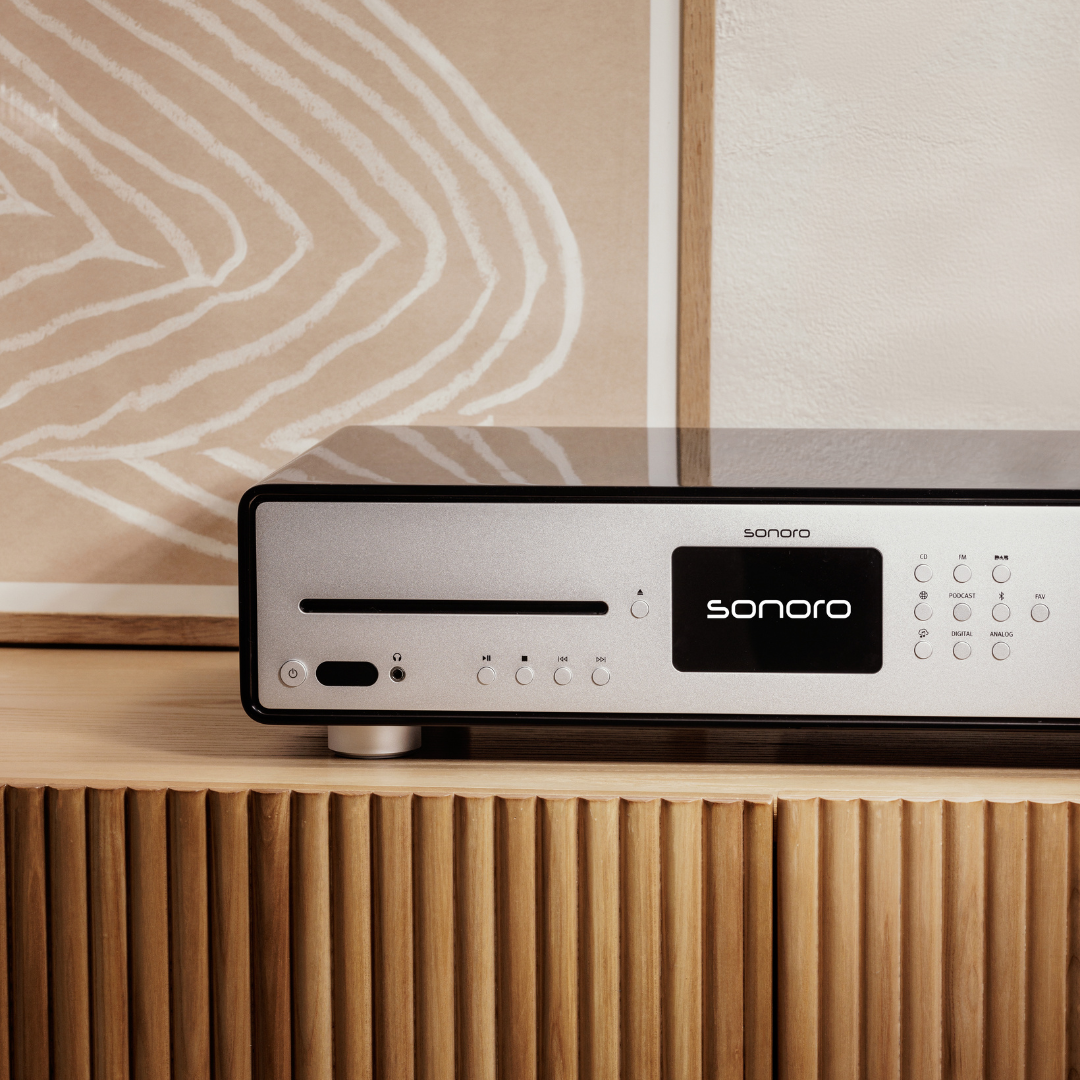
Today's modern audio systems offer smart solutions that make it easier for you to fine-tune the settings manually. The sonoro MAESTRO , for example, featureshigh-quality Class-D Hypex amplifiersand can be precisely calibrated to the specific conditions of your room using aroom correction app. The sonoro MAESTRO Quantum goesone step furtherwith itsDIRAC Live room correction, offeringprofessional, automatic optimization of your sound.
